
Before the bean,
there was a fruit.
The story of cascara crosses places, customs and lives: long before DIANAE encountered it, it was already part of other people’s days.

A story with no single inventor
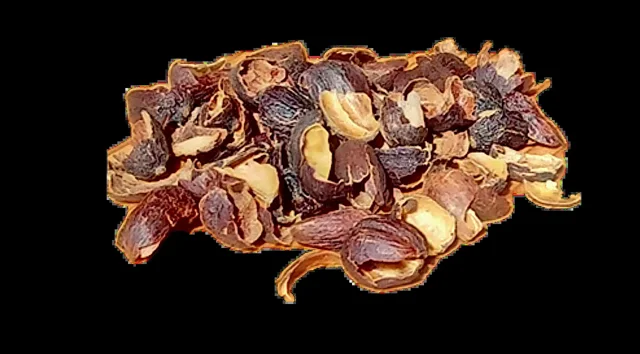
Cascara does not begin in a laboratory or belong to a single recent discovery. Its name, Spanish for “skin” or “husk”, draws attention to the part of the fruit surrounding the coffee seeds. Dried and infused, that part tells of another possibility within the same plant. Fruity, sometimes sweet, sometimes herbal: as familiar as making tea, yet different.
Between Ethiopia, stories and memory
The precise origins of drinking coffee husks are difficult to date. Coffee’s history takes us to Ethiopia, but does not assign every custom to a single period or community. Kaldi the goatherd and his lively goats belong to a legend, not a documented discovery. Living traditions are made of everyday gestures and local names: on his 2020 journey, Emanuele (me) encountered a drink called Bunno with his Hamer hosts. That encounter is DIANAE’s personal story, not the universal origin of cascara.
Other shores, other cups
In Yemen, qishr represents another tradition of drinks made from the coffee husk, often prepared with spices such as ginger. Names, raw materials and recipes are not identical everywhere: calling every infusion “qishr” would erase those differences. As coffee and its cultivation travelled, its fruit met new contexts too. We do not need to invent a single, continuous route to recognise a shared history of different practices and inherited knowledge.
When the bean takes centre stage
The coffee trade focused attention on the roasted, ground seed. Skin and pulp became less visible parts of the story, while continuing to serve different purposes in producing regions. Everything outside the coffee cup is not automatically waste: other uses must be considered when discussing recovery. Giving cascara value as food therefore means looking more closely at the supply chain, its people and the real alternatives.
Rediscovering, without forgetting
Today, infusions, cold drinks and new extractions bring the coffee fruit back into focus. For some it is a novelty; for others, a family habit. DIANAE sits at this meeting of memory and experimentation: loose and ground cascara, Lemon and new ideas from Switzerland. Innovation makes more sense when it recognises what already existed, respects those who knew it and measures change honestly. A cup can open a conversation: about taste, value and growing together.
Sweet Maria’s · Cascara & Qishr
Read my story